

 877-CALL-MAA
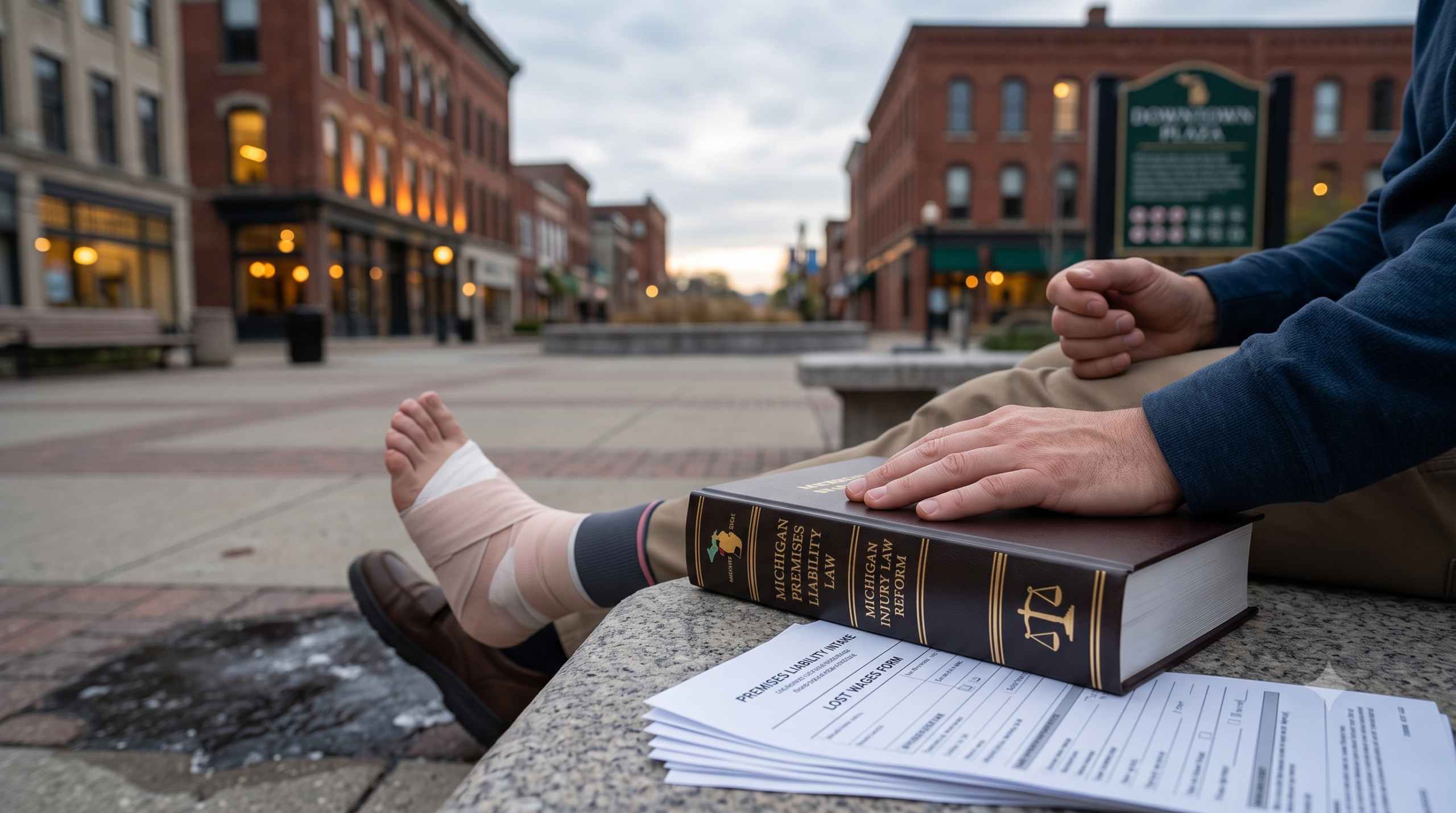
Slipping on a patch of black ice in a grocery store parking lot, tripping over a broken step on a rental property porch, or falling due to poor lighting in a stairwell can happen in the blink of an eye. In an instant, you can go from going about your day to dealing with severe physical pain, mounting medical bills, and missed time at work.
When you suffer an injury on property owned or managed by someone else, your ability to recover financial compensation falls under a specific area of law known as premises liability. In Michigan, the legal framework surrounding these cases underwent a massive, victim-friendly shift due to a landmark ruling by the Michigan Supreme Court. Understanding how these laws operate will help you protect your rights if you are ever injured away from home.
What Do I Need to Prove to Hold a Michigan Property Owner Responsible?
You must demonstrate that the property owner knew or should have known about a dangerous condition and failed to take reasonable steps to fix it.
Under Michigan law, a property owner, business operator, or landlord is not automatically responsible for every accident that happens on their premises. To successfully secure compensation through a premises liability claim, you must establish specific legal elements:
- The existence of a hazard: There must have been an unsafe condition on the land, such as an uncleared accumulation of snow and ice, a structural defect, a spill, or a hidden hole.
- Notice of the danger: You must show that the owner either created the hazard, actually knew about it, or would have discovered it if they had exercised reasonable care in inspecting and maintaining the property.
- Failure to act: You must prove that the owner breached their duty of care by failing to repair the defect, clear the hazard, or provide an adequate warning to visitors.
- Causation and damages: You must demonstrate that the dangerous condition directly caused your fall and subsequent physical injuries.
How Does My Status as a Visitor Affect My Case?
Your legal rights depend heavily on your reason for being on the property, which classifies you as an invitee, a licensee, or a trespasser.
Michigan law divides visitors into three distinct categories, and the level of care a property owner owes you depends entirely on your classification at the time of the injury:
Invitee: This is the highest legal status. An invitee is someone on the property for a commercial business purpose, such as a customer in a retail store, a patron at a gas station, or a tenant renting an apartment. Landowners owe invitees a duty to use reasonable care to protect them from unreasonable risks of harm to inspect the property, make necessary repairs, and proactively protect them from unreasonable risks of harm.
Licensee: A licensee is a social guest visiting a home or property with the express or implied permission of the owner, but not for a business purpose. Property owners owe licensees a duty to warn them of any hidden dangers they are actually aware of, but they are not legally obligated to routinely inspect the property for unknown defects.
Trespasser: A trespasser is someone who enters a piece of land without permission or legal right. Generally, property owners owe no duty of safety to adult trespassers, except that they cannot intentionally set traps or cause willful harm.
What Is the “Open and Obvious” Law in Michigan, and How Did It Change?
The Michigan Supreme Court eliminated the “open and obvious” defense as a way to automatically dismiss cases, allowing injured victims a much fairer chance in court.
For more than twenty years, Michigan was known as one of the most difficult states in the nation for slip-and-fall victims due to a legal rule called the “open and obvious” doctrine. Under the old standard, established by a 2001 court ruling, if a hazard was highly visible, meaning an average person should have noticed it upon casual inspection, property owners owed no legal duty to warn visitors or fix it. Because property owners could escape liability entirely by arguing that a danger was “obvious,” judges routinely dismissed valid cases before they could ever reach a jury.
That all changed on July 28, 2023, when the Michigan Supreme Court issued a landmark decision in Kandil-Elsayed v. F&E Oil, Inc. The high court changed how the open and obvious doctrine is applied.
Today, property owners have a baseline legal duty to keep their premises safe, and they cannot evade that duty simply because a hazard was visible. While the visibility of a danger is still factored into a case, it is now treated as a question of comparative fault for a jury to decide, rather than an automatic shield for negligent landowners.
What If I Am Partially at Fault for My Own Fall?
You can still recover compensation under Michigan’s comparative negligence system, provided you are not more than 50 percent to blame.
Even though property owners face heightened accountability under the updated law, visitors are still expected to look where they are walking and exercise reasonable care for their own safety. If you were distracted by looking at your mobile phone, ignored a visible wet floor sign, or stepped over a safety barricade, a jury may find that you contributed to your own accident.
Michigan follows a modified comparative fault standard:
- If you are assigned a percentage of fault, your final compensation award will be reduced by that exact percentage. For example, if your total damages are $100,000, but a jury decides you were 20 percent at fault for not paying attention, you will receive $80,000.
- If you are found to be more than 50 percent at fault for your injuries, Michigan law bars you from recovering any non-economic damages, such as pain and suffering. However, you may still be able to collect a portion of economic damages, such as outstanding medical bills and lost wages.
What Steps Should I Take Immediately After Being Injured?
You should document the scene, report the incident, seek immediate medical care, and contact an attorney to preserve critical evidence.
The actions you take immediately following a slip, trip, or fall on someone else’s property will directly impact the success of a future legal claim. If you are able, ensure you perform the following steps:
Photograph the hazard: Use your smartphone to take immediate, clear photos and videos of the exact condition that caused you to fall, such as the specific patch of ice, the spill, the uneven concrete, or the missing handrail. Property owners often clean up or repair hazards immediately after an accident occurs.
Report the accident: Notify the property owner, store manager, or landlord right away. Request that they fill out an official incident report, and ask for a physical or digital copy before you leave.
Identify witnesses: Obtain the names, phone numbers, and statements of anyone who saw you fall or noticed the dangerous condition before your accident.
Seek medical treatment: Go to an urgent care center or an emergency room immediately. Hidden injuries, such as concussions, soft tissue damage, or internal bruising, may not display symptoms until hours or days later. Having an official medical record ties your injuries directly to the timeline of the fall.
Navigating a Premises Liability Claim
Pursuing a claim against a large grocery store chain, a commercial business, or a landlord’s insurance company requires navigating intricate legal arguments, gathering surveillance footage, and acting before strict filing deadlines expire. Because property owners and their insurers will still try to blame you for your fall, having a professional advocate on your side is critical.
Premises liability cases can become complicated quickly, especially when property owners or insurance companies try to shift the blame onto you. Michigan Accident Attorneys can help review what happened, identify the evidence needed to support your claim, and explain your legal options under Michigan’s updated premises liability standards. Call (877) 225-5622 or contact us online through our contact page at https://michiganaccidentattorneys.com/contact-us/ for a free consultation.