

 877-CALL-MAA
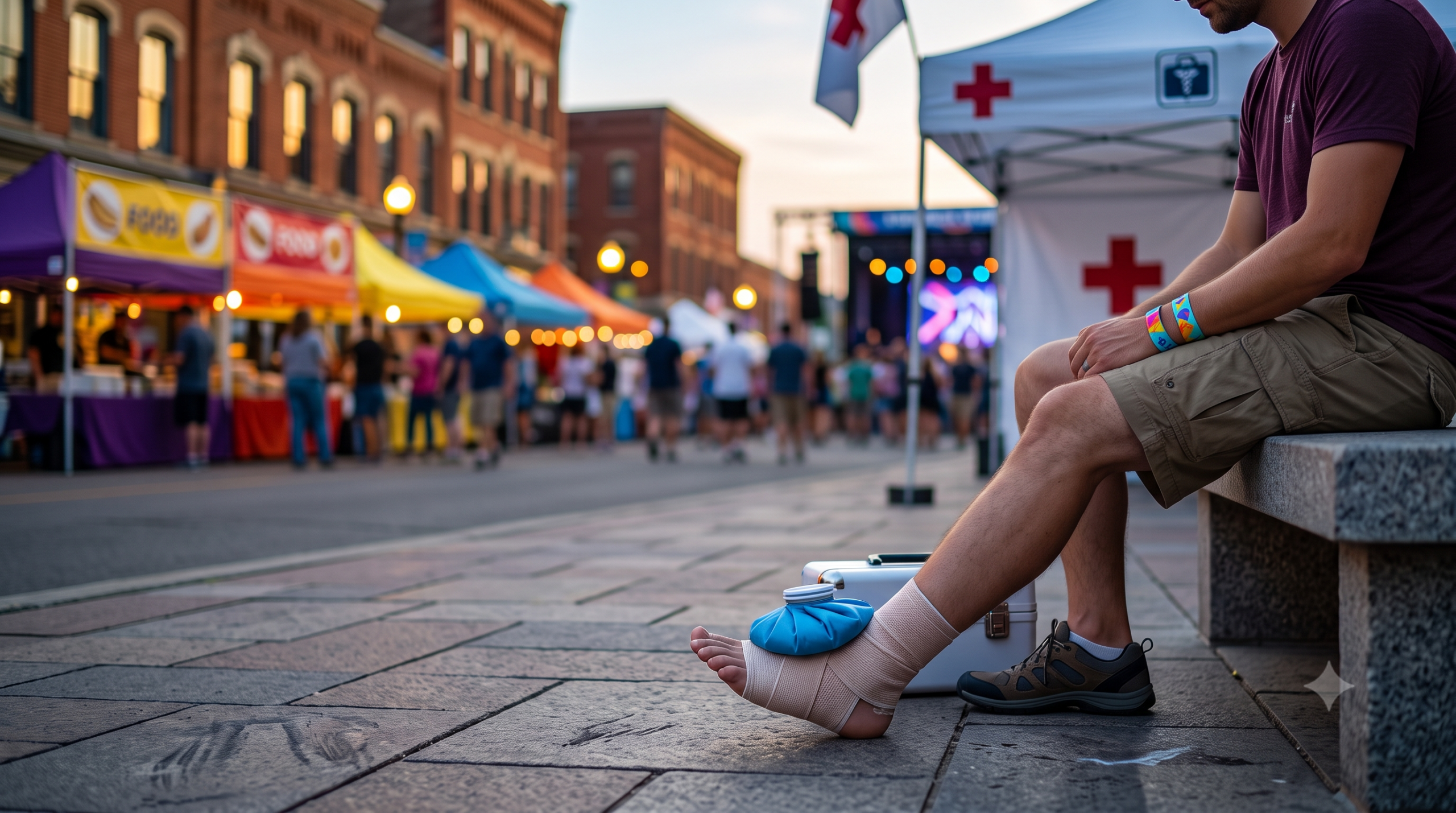
Attending a public event in Michigan, whether it is a weekend festival, a community concert at a city park, a sporting event, or a county fair, is supposed to be a source of entertainment and community connection. Unfortunately, large crowds, temporary structures, poorly maintained grounds, and inadequate security can create hidden hazards. In a single moment, a fun outing can turn into a painful ordeal resulting in emergency medical care, physical rehabilitation, and unexpected financial pressure.
When you are hurt at a public gathering, determining who is legally responsible for your medical bills and pain and suffering depends heavily on where the event took place and who organized it. Michigan has specific, complex laws that dictate how personal injury claims are handled when injuries occur on public or government-owned property. Understanding these rules will help you figure out your options and your next steps.
Who Is Liable If I Am Hurt at an Event on Government Property?
You can hold a governmental entity liable only if your situation fits into a few specific, narrow exceptions to governmental immunity, such as a public building defect or a proprietary function.
If a public event is held on land or inside a building owned by a city, county, or the state of Michigan, such as a public square, a municipal community center, or a public school parking lot, a legal doctrine known as governmental immunity applies. Under the Michigan Governmental Tort Liability Act, government agencies are generally immune from standard personal injury lawsuits when they are engaged in a “governmental function.”
However, the law establishes specific exceptions where an injured person can pursue compensation:
The Public Building Exception: If your injury was caused by a dangerous or defective condition inside a public building that was open to the general public, the government may be held responsible. You must prove that the entity knew or should have known about the defect and failed to repair it within a reasonable timeframe.
The Proprietary Function Exception: If the government entity is conducting an activity for the primary purpose of producing a pecuniary profit, and the activity is not normally supported by taxes or fees, it is considered a proprietary function. High-profile public events where people pay entry fees, such as certain festivals, sporting events, or commercial expos, may fall under this exception.
What Are the Strict Deadlines for Filing a Claim Against a Michigan Municipality?
Many claims involving government property require strict written notice, often within 120 days, and missing that deadline can seriously affect your claim.
When dealing with a personal injury claim against a private business, you typically have three years under Michigan’s standard statute of limitations to file a lawsuit. However, when a government entity is involved, the timeline is drastically shortened.
As a condition to recovering compensation for injuries sustained due to a public building defect or other government negligence, Michigan law requires you to serve an official written notice on the responsible agency within 120 days from the time the injury occurred. This notice must contain explicit details, including:
- The exact location and nature of the defect or hazardous condition
- The precise injuries you sustained
- The names of any witnesses who were present or known at the time
Failing to file this detailed notice within the 120-day window will cause you to lose your right to pursue a claim completely, regardless of the severity of your physical injuries or the extent of your medical bills.
How Does the “Open and Obvious” Law Affect Event Injury Cases Now?
Property owners can no longer rely on the open and obvious doctrine to automatically eliminate their legal duty, but the visibility of a hazard can still affect comparative fault and damages.
Whether a public event is held on municipal property or private commercial land, premises liability laws dictate how slip, trip, and fall hazards are treated. For more than two decades, Michigan landowners could easily escape liability using the “open and obvious” doctrine. If a hazard, such as a stray electrical cord running across a walkway or an uneven patch of pavement, was visible upon casual inspection, judges would routinely dismiss the lawsuit before it ever reached a jury.
Thanks to a landmark ruling by the Michigan Supreme Court, the legal environment has shifted to protect victims. Property owners now have a continuous, baseline legal duty to maintain safe premises for visitors. While the visibility of a hazard is still a factor in your case, it is now treated as a question of “comparative fault.” This means a jury will look at whether you were distracted or careful, but a visible hazard will no longer serve as an automatic shield for a negligent event organizer or property owner.
Does Signing a Liability Waiver Block Me From Suing?
A waiver can block standard negligence claims, but it cannot protect event organizers from lawsuits based on gross negligence or willful misconduct.
When purchasing a ticket or entering certain public recreational events, festivals, or interactive exhibitions, you may be required to sign a document or click an online box containing a liability waiver. These forms typically state that you waive your right to sue the organizers if you are harmed while on the premises.
Michigan courts generally uphold validly written liability releases for ordinary negligence. However, a waiver is not a blank check for event organizers to ignore public safety. A waiver does not protect a defendant if your injuries were caused by gross negligence, defined as conduct so reckless it demonstrates a substantial lack of concern for whether an injury results. If an operator knowingly leaves a collapsed bleacher unrepaired or ignores an immediate structural hazard in a crowded area, they can still be held legally accountable.
Immediate Steps to Take If You Are Injured at a Gathering
If you suffer an injury while attending a public function, taking immediate action will help protect both your physical health and your potential legal options:
Report the incident immediately: Locate an event coordinator, security guard, or property manager right away. Request that they complete an official incident report, and take a photograph of the completed document.
Document the specific hazard: Use your mobile phone to take clear photographs and videos of the scene, paying close attention to what caused you to fall or become injured, such as a liquid spill, lack of lighting, or broken equipment.
Identify eyewitnesses: Collect the names and phone numbers of nearby attendees who saw the incident occur.
Get professional medical evaluation: Visit an emergency room or urgent care center immediately. Having a medical professional document your physical condition provides a clear timeline connecting your injuries directly to the event.
Navigating a Public Event Injury Claim
Sorting out liability after an accident at a public event requires analyzing municipal codes, reviewing commercial insurance policies, interpreting waiver language, and acting before rigid legal deadlines pass. Because insurance companies and government attorneys look for ways to minimize payouts or deny claims entirely, having an experienced professional advocate by your side is vital.
After an injury at a public event, the next steps can feel confusing, especially when questions about property ownership, government deadlines, insurance, or liability waivers are involved. Michigan Accident Attorneys can help you understand who may be responsible, what deadlines may apply, and how to protect your claim from the start. Call (877) 225-5622 or contact us for a free, confidential consultation.