

 877-CALL-MAA

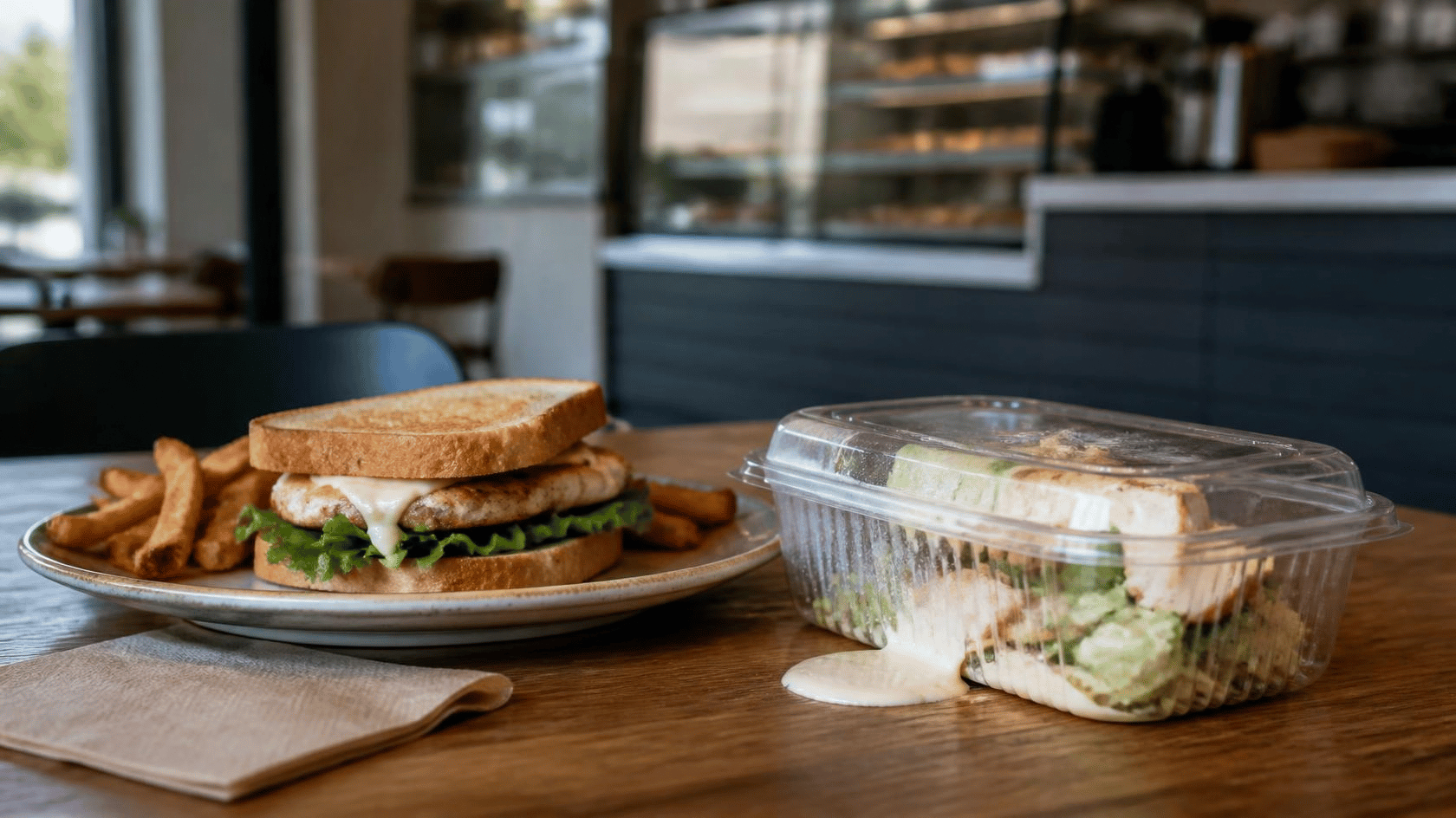
When you buy a product, order a meal, or purchase a drink from a business, you generally expect it to be reasonably safe when used as intended. But sometimes an injury happens because something was defectively designed, improperly manufactured, inadequately packaged, or served in a way that creates an unreasonable risk.
In Michigan, businesses are not automatically responsible every time a customer is injured by something they sell or serve. However, depending on what happened, a claim may involve product liability, negligence, breach of warranty, or more than one legal theory. Michigan law also specifically recognizes that serving food or drink for value counts as a sale for purposes of implied warranty protections.
When Can a Business Be Responsible for an Injury?
A business may be responsible when its own actions or failures contributed to an unsafe product or condition that caused an injury.
The answer depends heavily on the circumstances. A business may have potential liability if it failed to exercise reasonable care with respect to a product it sold, made representations about the product that were not accurate, failed to provide an adequate warning when legally required, or otherwise contributed to the unsafe condition that caused the injury.
Examples could include:
- Food or beverages that are improperly prepared, packaged, or handled
- A container or product that breaks unexpectedly during normal use
- An item sold without an adequate warning about a non-obvious danger
- A product that is defective when it reaches the customer
- A business that knew about a dangerous problem with a product but failed to address it
The key question is not simply whether an injury occurred, but why it happened and whether the business, manufacturer, or another party contributed to the harm.
Does the Manufacturer or the Business That Sold the Product Pay?
Responsibility may involve the manufacturer, seller, or another company in the chain of distribution.
Product injury cases can be complicated because the business that sold or served an item may not be the company that designed, manufactured, packaged, or distributed it.
Michigan law places different requirements on claims against manufacturers and sellers. For example, a non-manufacturing seller generally is not liable merely because it sold the product. A claim against the seller may require showing that the seller failed to exercise reasonable care, breached an applicable warranty, or made an express warranty that the product failed to meet.
That is why determining who should be included in a claim often requires investigating how the product reached the customer and what each business knew or did before the injury occurred.
What Evidence Can Help Show That Something Sold or Served Was Unsafe?
Photos, the product itself, receipts, witness information, medical records, and business records can all become important evidence.
One of the most important things you can do after this type of injury is preserve whatever caused it. A damaged container, broken product, packaging, receipt, warning label, or leftover portion of an item may help an attorney determine what went wrong.
Other useful evidence may include:
- Photos and videos of the product and your injuries
- Receipts or order confirmations showing where and when the item was purchased
- Names and contact information for witnesses
- Medical records documenting the injury
- Communications with the business after the incident
- Packaging, labels, instructions, or warnings that came with the product
Warnings can be especially important in Michigan product liability cases because state law considers whether an adequate warning was provided and whether the risk was something a reasonable consumer would already be expected to recognize.
What Should You Do After Being Injured by Something a Business Sold or Served?
You should seek medical care, report the incident, preserve the product and packaging, document what happened, and speak with an attorney before important evidence is lost.
If possible, avoid throwing away or altering the item that caused your injury. If a business takes possession of the product, ask for documentation showing what was collected and why.
You should also report the incident to the business and request a copy of any incident report. Keep your receipts, photographs, medical records, and communications together so they can be reviewed later.
Product-related claims often require figuring out whether the problem occurred during design, manufacturing, packaging, distribution, or sale. Preserving evidence early can make that investigation much easier.
Navigating a Product or Business Injury Claim in Michigan
An injury involving something sold or served by a business can raise questions about negligence, product defects, warnings, warranties, and which company was actually responsible. In some cases, several businesses may need to be investigated before the full picture becomes clear.
Michigan Accident Attorneys can review what happened, identify potentially responsible parties, preserve important evidence, communicate with insurance companies, and help determine what legal options may be available. If you were injured by a product, food, beverage, or another item sold or served by a Michigan business, call (877) 225-5622 or contact us online for a free consultation.