

 877-CALL-MAA

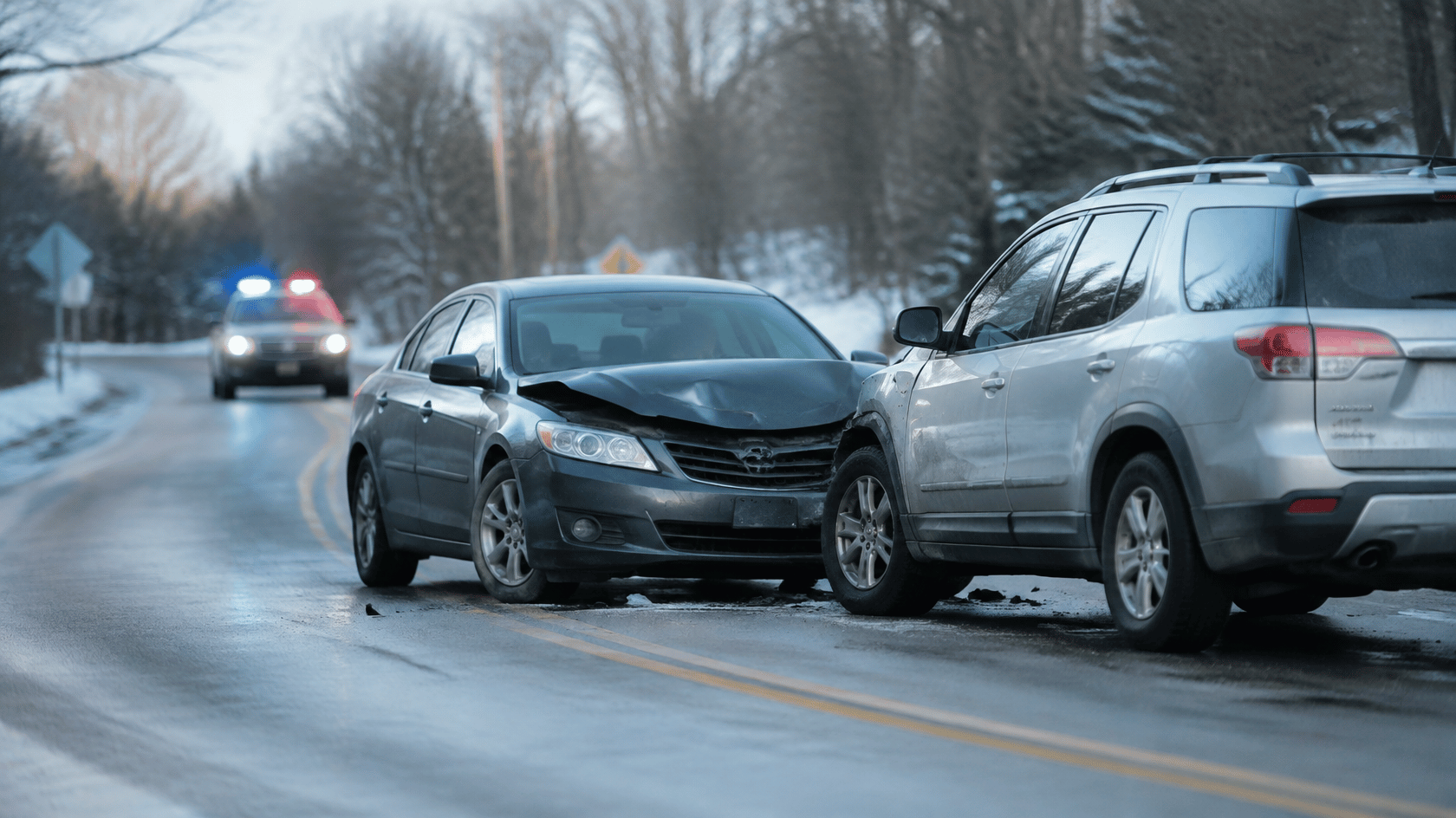
Black ice can make Michigan roads especially dangerous because it is often difficult to see until a vehicle has already started to lose traction.
After a crash, it is easy to assume that the weather is to blame and no one is legally responsible. But black ice does not automatically eliminate fault. Drivers are still expected to adjust their speed, following distance, and overall driving behavior to the conditions around them.
Who may be responsible depends on what happened before the collision and whether the drivers involved were using reasonable care.
Can a Driver Be At Fault for a Black Ice Accident?
Yes.
Michigan drivers are expected to travel at a safe and prudent speed based on traffic, road conditions, visibility, and other surrounding circumstances. That means driving at the posted speed limit may still be too fast when roads are icy.
A driver may be found negligent if they were traveling too fast for the conditions, following too closely, braking or accelerating suddenly, or otherwise failing to maintain reasonable control of the vehicle.
The fact that a vehicle slid on ice does not, by itself, answer the question of fault.
What If the Black Ice Was Hard to See?
Black ice is especially dangerous because it can be difficult to detect.
Whether a driver acted reasonably may depend on the temperature, weather conditions, visibility, time of day, and whether there were other signs that the road could be slippery.
A sudden patch of unexpected ice may be viewed differently from a crash that occurs during obvious winter weather when drivers should already be exercising additional caution.
What If More Than One Driver Contributed?
In some crashes, responsibility may be shared.
For example, one driver may lose control on ice while another is following too closely or traveling too fast to stop safely. In those situations, the conduct of everyone involved may need to be considered.
Michigan’s comparative-fault rules can reduce an injured person’s recovery based on their percentage of fault, and a person who is more than 50% at fault may be barred from recovering noneconomic damages.
That can make fault especially important in multi-vehicle crashes involving snow, ice, or poor visibility.
Evidence Can Matter More Than the Weather
Because icy conditions can change quickly, early documentation can be especially important.
If it is safe to do so, take photographs or video of the roadway, surrounding conditions, vehicle damage, and where the vehicles came to rest. Police reports, witness statements, dashcam footage, weather information, and nearby surveillance video may also help show how the crash happened.
The goal is not simply to prove that ice was present, but to understand how each driver was operating before the collision.
What to Do After a Black Ice Crash
If you are injured, your first priority should be getting appropriate medical attention and reporting the accident.
When it is safe to do so, document the scene and preserve any evidence that may help explain what happened. Avoid assuming that the weather alone determines fault.
Black ice may have contributed to the crash, but the actions of the drivers still matter.
Michigan Accident Attorneys can review the circumstances of the collision, evaluate the available evidence, and help you understand your options after a serious winter-weather crash.
If you were injured in a Michigan car accident involving black ice, call (877) 225-5622 to speak with our team.